Exploring Rhea County’s Natural Treasures: Forests, Waterways, and Wildlife

Welcome to our a directory of the natural resources of Rhea County, Tennessee! Discover the rich diversity of forests, waterways, and wildlife that make this region a haven for outdoor enthusiasts, conservationists, and nature lovers alike.

in the north

Erected in 1932, this monument memorializes the tragic deaths of boy scouts and their scout master, who perished during a flash flooding of Whites Creek. Located alongside the Whites Creek bridge between Rhea and Roane Counties, the memorial can be visited by traveling south on State Highway 27, taking the first right turn after crossing the bridge, then turning under the bridge.

Boy Scout Memorial

Library, school records, photographs and exhibits pertaining to a unique boarding school offering twelve grades of education, 1884-1921. The library contains over 5300 volumes, including the state’s largest collection of school textbooks. Students attending the school came from 16 U.S.states, and graduates received full college scholarships. Visit grandviewhertiage.org for more information.
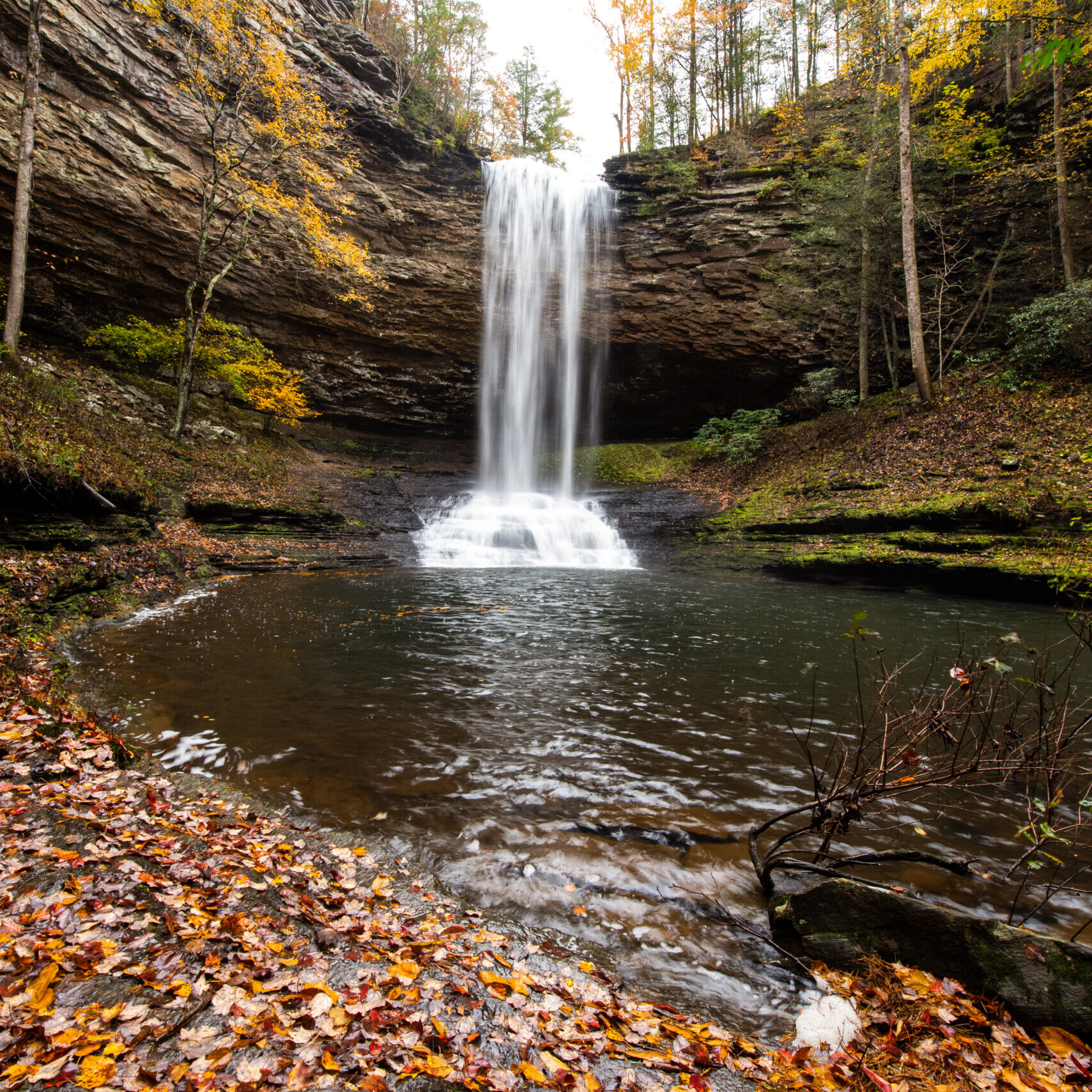

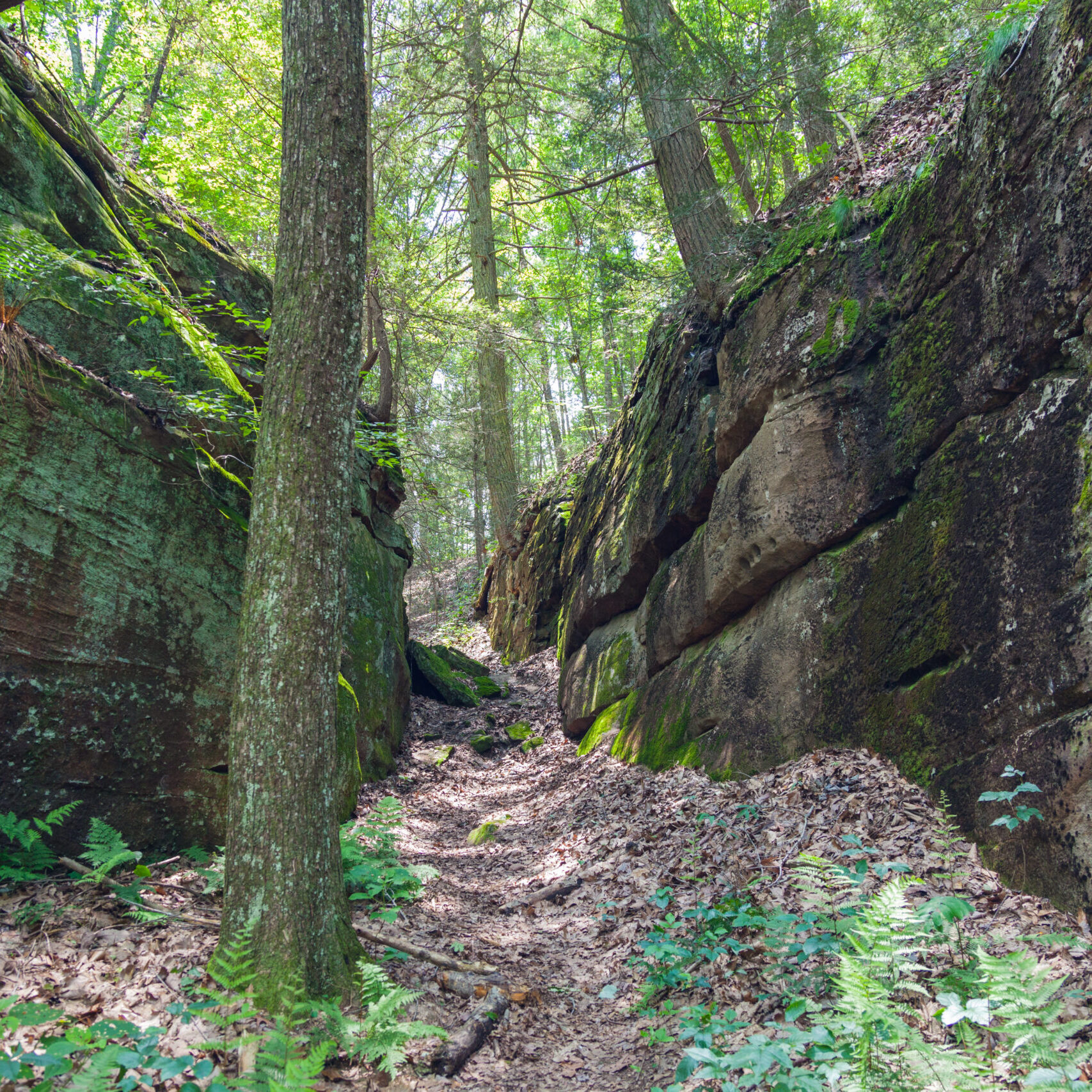
Covering 818 acres, it is one of only fourteen National Natural Landmarks so designated in Tennessee. Its loop trail to Upper Piney Falls is one of the most popular short hikes in the state, being only 1.7 miles in length. The parking area can be reached by turning south off State Highway 68 at Grandview, Tennessee, and following the signs.

Piney Falls Natural Area

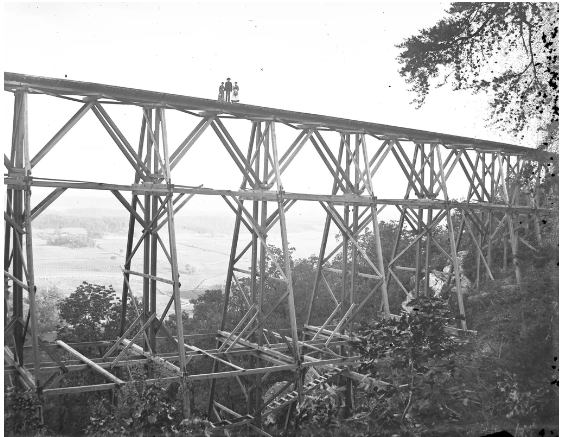
Located between Spring City and Grandview on State Highway 68, it was once the site of a railroad trestle 200 feet in height — believed to be the tallest land-based trestle constructed in the State of Tennessee. Five thousand dump trucks of fill material were required for constructing the modern highway around the gap’s edge. The picnic area provides a view of the Tennessee River valley stretching to North Carolina.
The Rhea Springs Memorial Monument was built with donations from former Rhea Springs citizens and friends. The 14-foot carved marble columns came from the Rhea Springs Spring House. The mill stone, top center, is from the Rhea Springs grist and flour mill. The large limestone blocks used in the base came from the Rhea Springs School. The memorial can be visited at Veterans Park in Spring City.

Rhea Springs Memorial

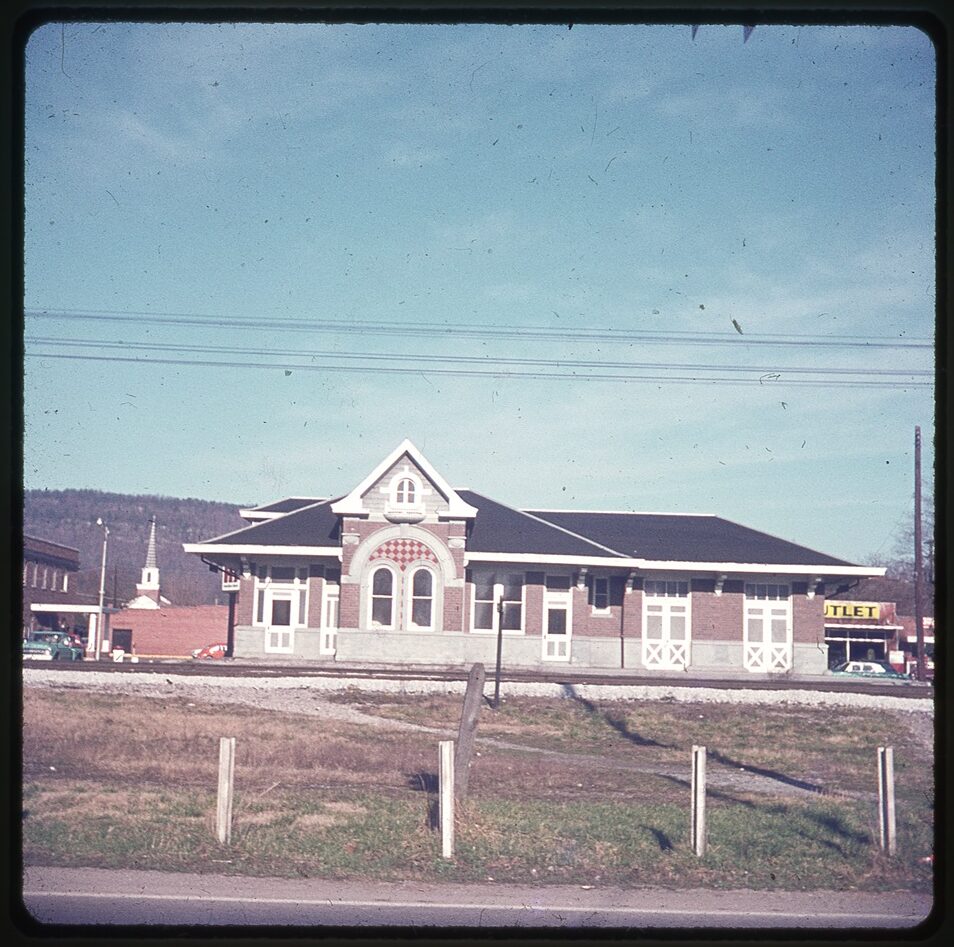
The earliest depot in Spring City, then known as Rheaville, was established in 1879. After it was destroyed by fire in 1892, a new framed depot was constructed between Front Street and the railroad tracks. Between 1910 and 1913, this framed structure was demolished and replaced with an elegant brick depot on the same site. Today, the Spring City Depot, located on Front Street, stands as the only preserved depot in Rhea County.

Spring City Depot

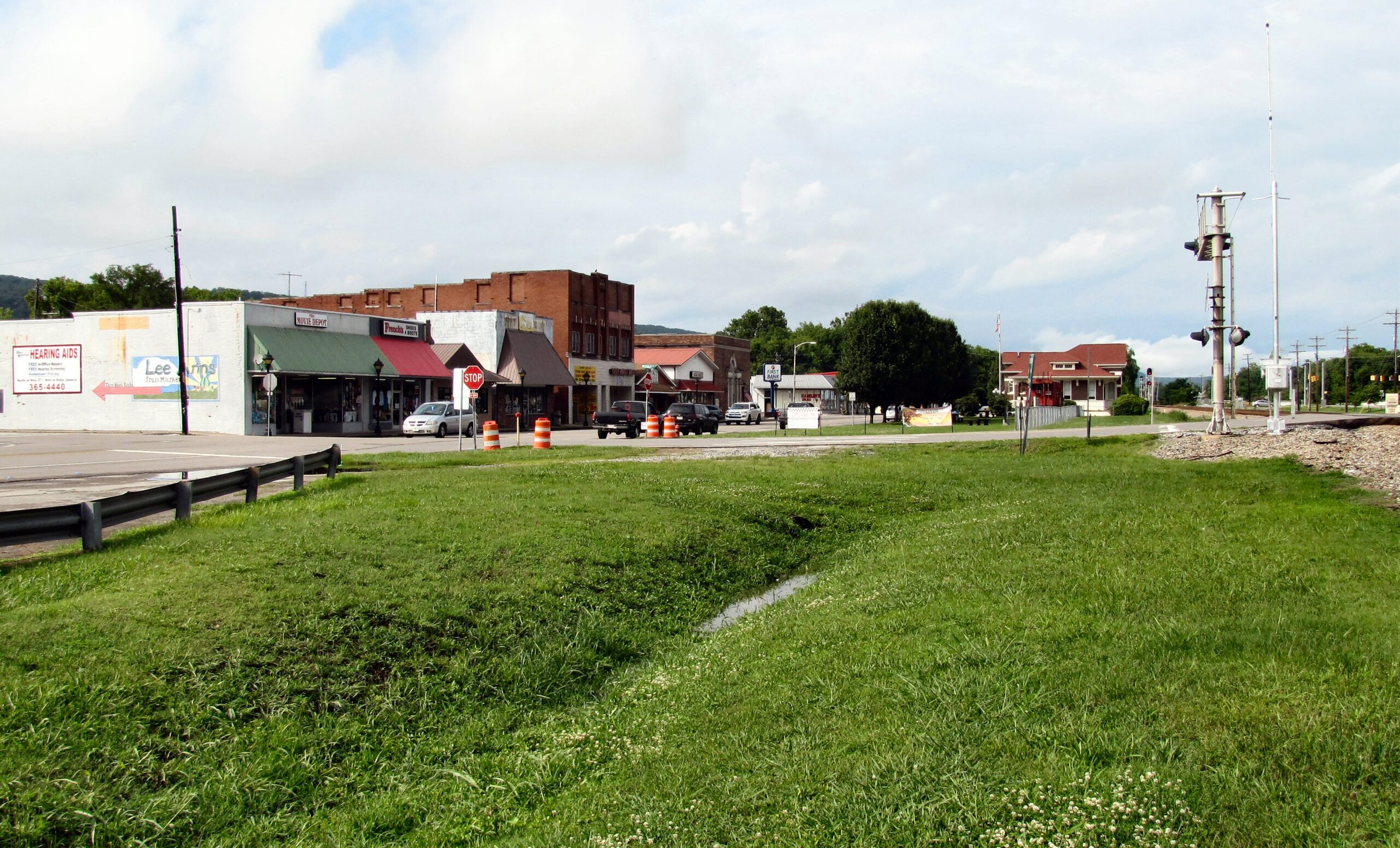
Spring City Front Street

Visiting Watts Bar Dam in Rhea County, Tennessee, offers a scenic view of the Tennessee River and the surrounding Appalachian foothills. The dam, operated by the Tennessee Valley Authority, showcases impressive engineering and provides opportunities for fishing, boating, and picnicking. A walk along the observation areas gives visitors a glimpse into the region’s role in hydroelectric power and local history.

Watts Bar Dam

in the south

David Campbell (1750–1812) was a Revolutionary War veteran who rose to the rank of major in the Continental Army and later became a prominent jurist in early Tennessee history. He served as a judge in the State of Franklin, the Southwest Territory, and the Tennessee Superior Court, and was appointed by President George Washington as a territorial judge in 1790. Campbell died in Washington, Rhea County, Tennessee, in 1812 and is buried at Old Washington Park, where his grave is marked by a memorial placed by the Daughters of the American Revolution.

David Campbell Grave Site

The Old Washington Ferry, established around 1807 by Conley Hastings, was a vital transportation link across the Tennessee River, initially connecting the town of Washington in Rhea County to the Cherokee Territory and later facilitating travel between Dayton and Decatur, the county seats of Rhea and Meigs counties, respectively. Also known as the Hastings-Locke Ferry, it operated for nearly two centuries before being replaced by a bridge in the 1990s . The ferry’s historical significance is commemorated by a Tennessee Historical Commission marker near its original site.

Old Washington Ferry

Cottonport Ford in Rhea County, Tennessee, was a strategic ford across the Tennessee River utilized by Confederate forces during the Civil War. In early October 1863, General Joseph Wheeler’s cavalry crossed the river at this location to initiate a raid aimed at disrupting Union supply lines and communications. The raid inflicted significant damage, capturing hundreds of wagons and mules, and severely hampering Union logistics in the region.

Cottonport Crossing

The Laurel-Snow Trail, or Pocket Wilderness, holds a special place in the hearts of many Rhea Countians, filled with memories of hiking trails, swimming in the Blue Hole, daring the rope swing, and exploring old mines. While a beloved natural retreat today, the area was once home to Dayton Coal & Iron Co., a vital part of the town’s early industry. The company operated several mines, extracting hundreds of thousands of tons of coal before financial troubles and accidents led to its closure in 1913. A later attempt to revive mining failed, contributing to an economic downturn that set the stage for the 1925 Scopes Trial.

Pocket Wilderness

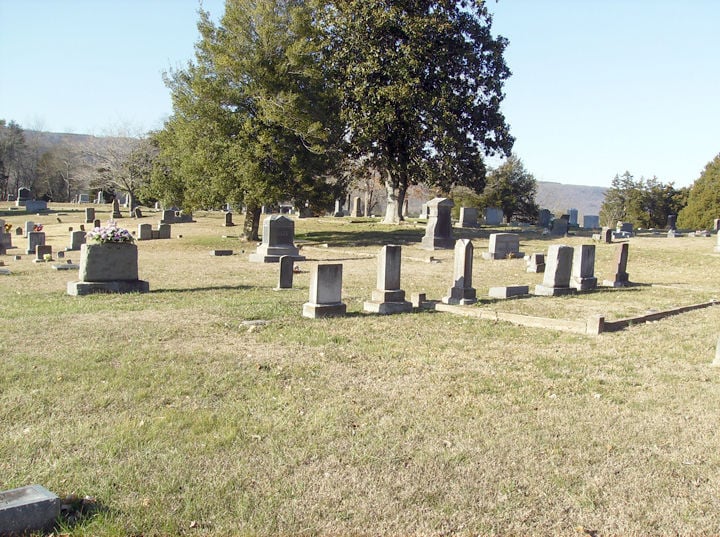
Buttram Cemetery, located north of Dayton and east of U.S. Highway 27, dates back to before 1811 when John Howard first set aside land for a burial ground for his wife. Over time, the cemetery expanded through multiple land deeds, including a significant 1881 donation by Nicholas Keith to the Trustees of the Methodist Episcopal Church South. Between 1881 and 1920, several sections were added—creating an L-shaped layout marked by concrete lot boundaries—reflecting the cemetery’s steady growth alongside the Dayton community. It is the largest cemetery in Rhea County, Tennessee.

Buttram Cemetery

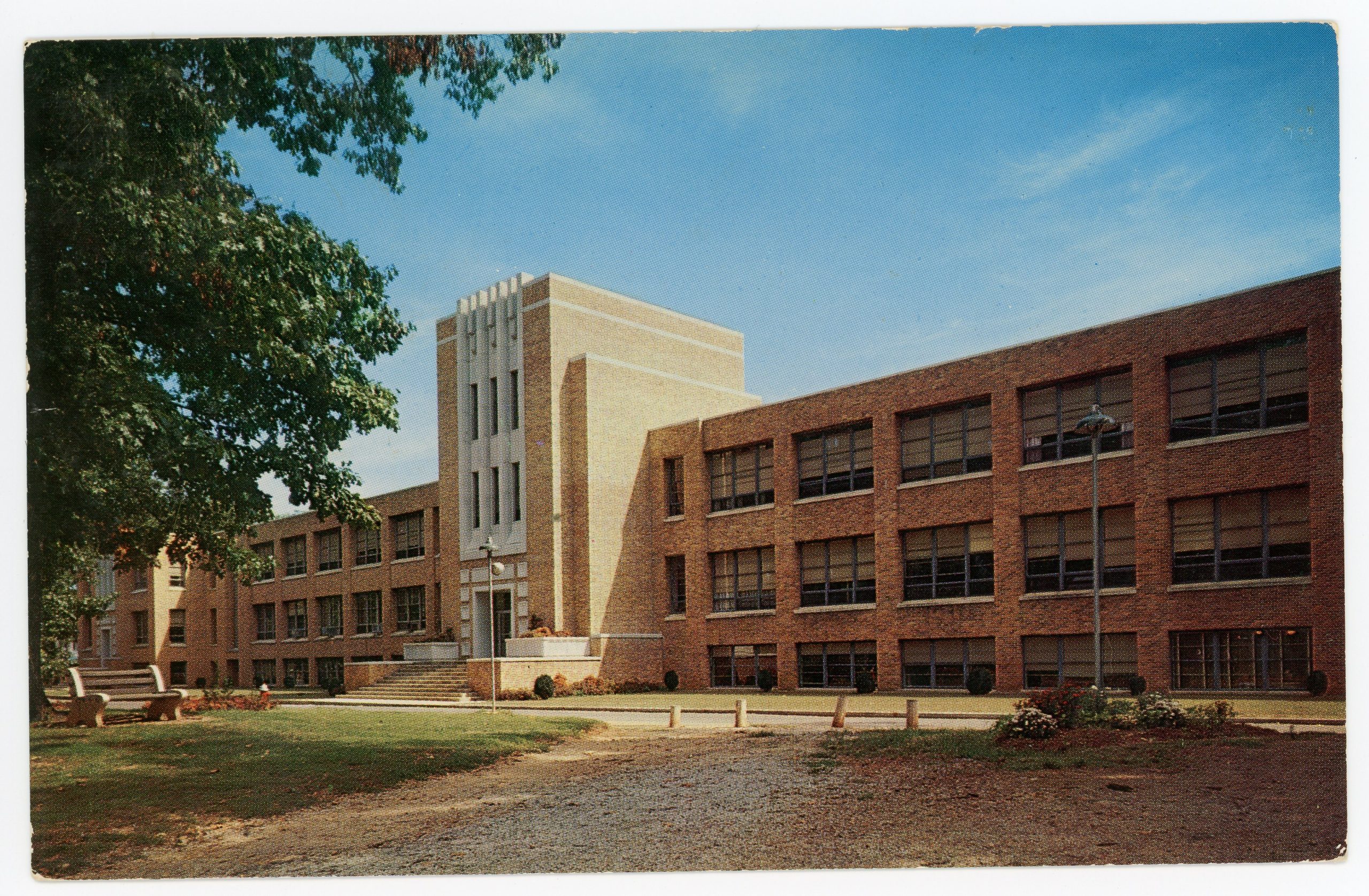
William Jennings Bryan College

Located in Morgantown, Vine Grove United Methodist Church was founded in 1833 and was the oldest church in the city of Dayton. During the Civil War, the church was used to house women, sometimes referred to as the “Rhea County Spartans,” on claims they were Confederate spies. Although the church closed recently, a new congregation calls the building home today.

Vine Grove Methodist Church

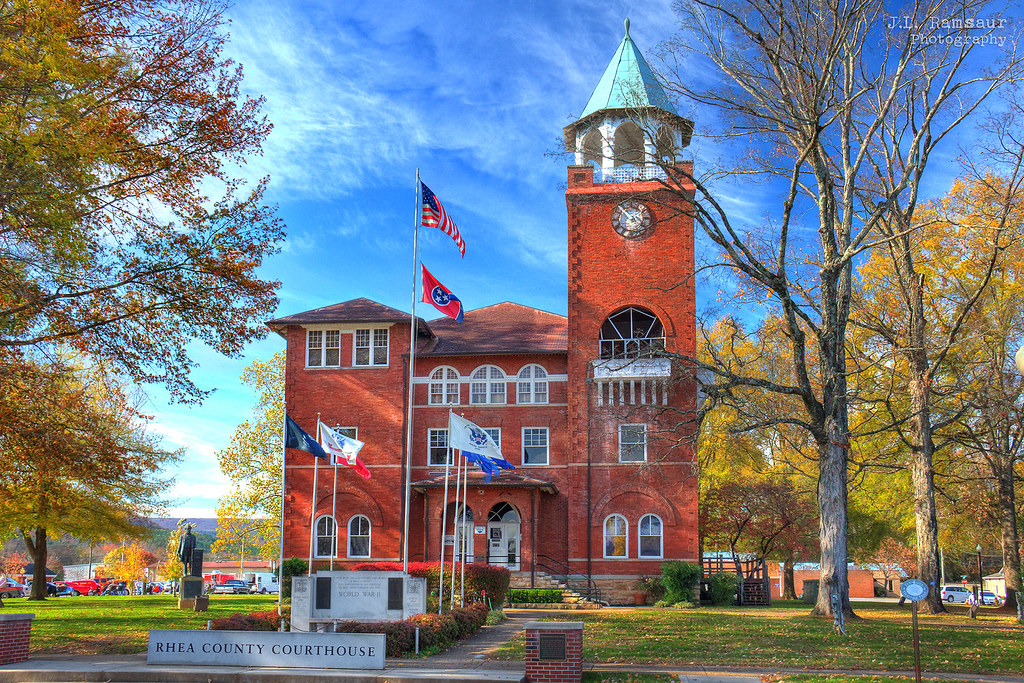
Visiting the Rhea County Courthouse in Dayton, Tennessee, is a step back in time to one of the most famous legal battles in American history—the 1925 Scopes “Monkey Trial.” The courtroom remains preserved as it was during the trial, offering an immersive experience for history enthusiasts. Inside the same building, the Rhea Heritage & Scopes Trial Museum features exhibits on the trial, local history, and the cultural impact of the debate over evolution and education. Together, the courthouse and museum provide a powerful look at the intersection of science, religion, and law in American society.

Rhea County Historic Courthouse

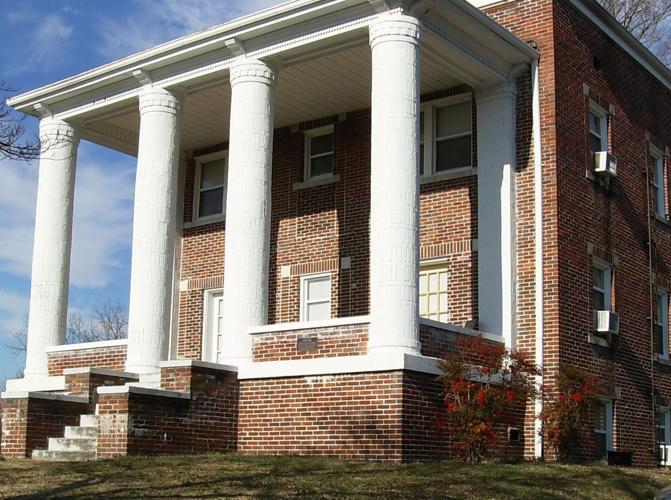
This building on Highway 27 in Dayton was erected in 1929 by Dr. Walter Agnew Thomison and local businessmen as Dayton’s first hospital. It was leased by Bryan University from 1932-1938 and used as a women’s dormitory, college dining hall, and kitchen. From 1938-1946, it was owned and operated as a tourist home by Scopes Trial juror Jess Goodrich and his wife, Rose. From 1967-1984, Bryan College owned the building and used it first for married students and then as a women’s dormitory.

Cedar Hill

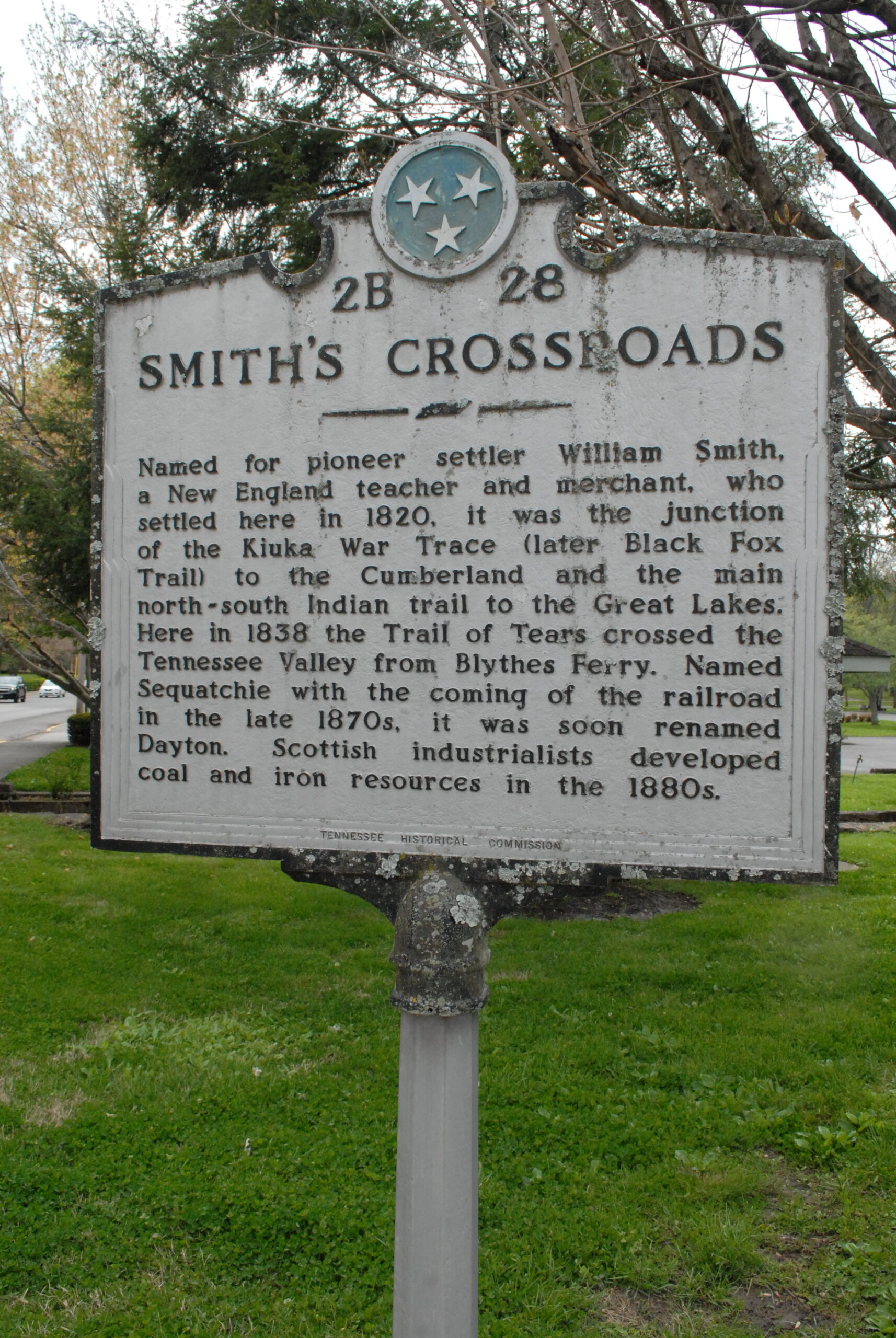
Smith’s Crossroads, established around 1820, was the original name of what is now Dayton, Tennessee, named after William Smith, a New England teacher and merchant who settled in the area. Strategically located at the intersection of major Native American trails, including the Kiuka War Trace (later known as the Black Fox Trail), it became a significant junction for trade and travel . The community was renamed Dayton in 1877, coinciding with the arrival of the railroad and the development of local industries, marking a new chapter in its growth .

Smith’s Crossroads

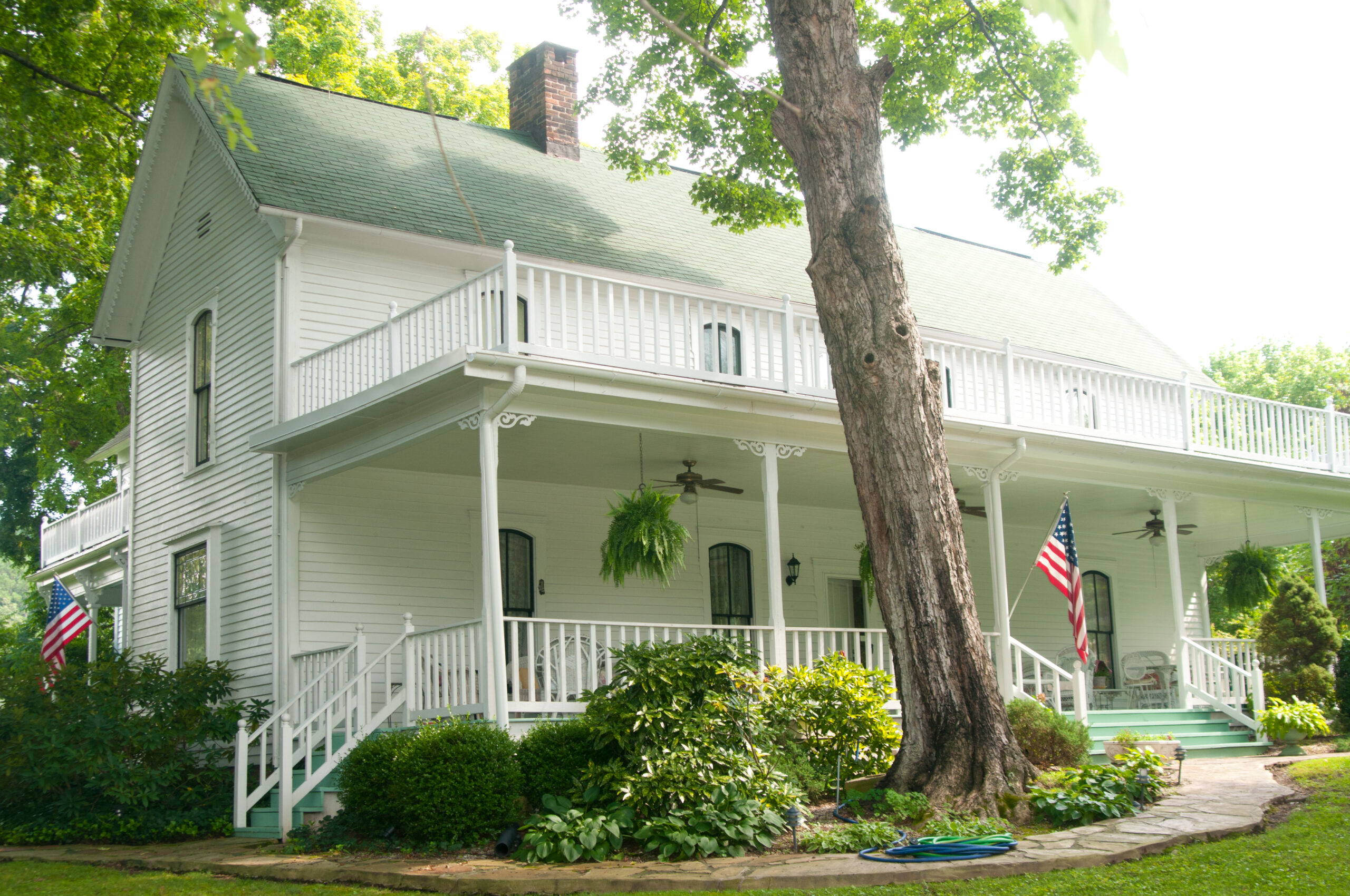
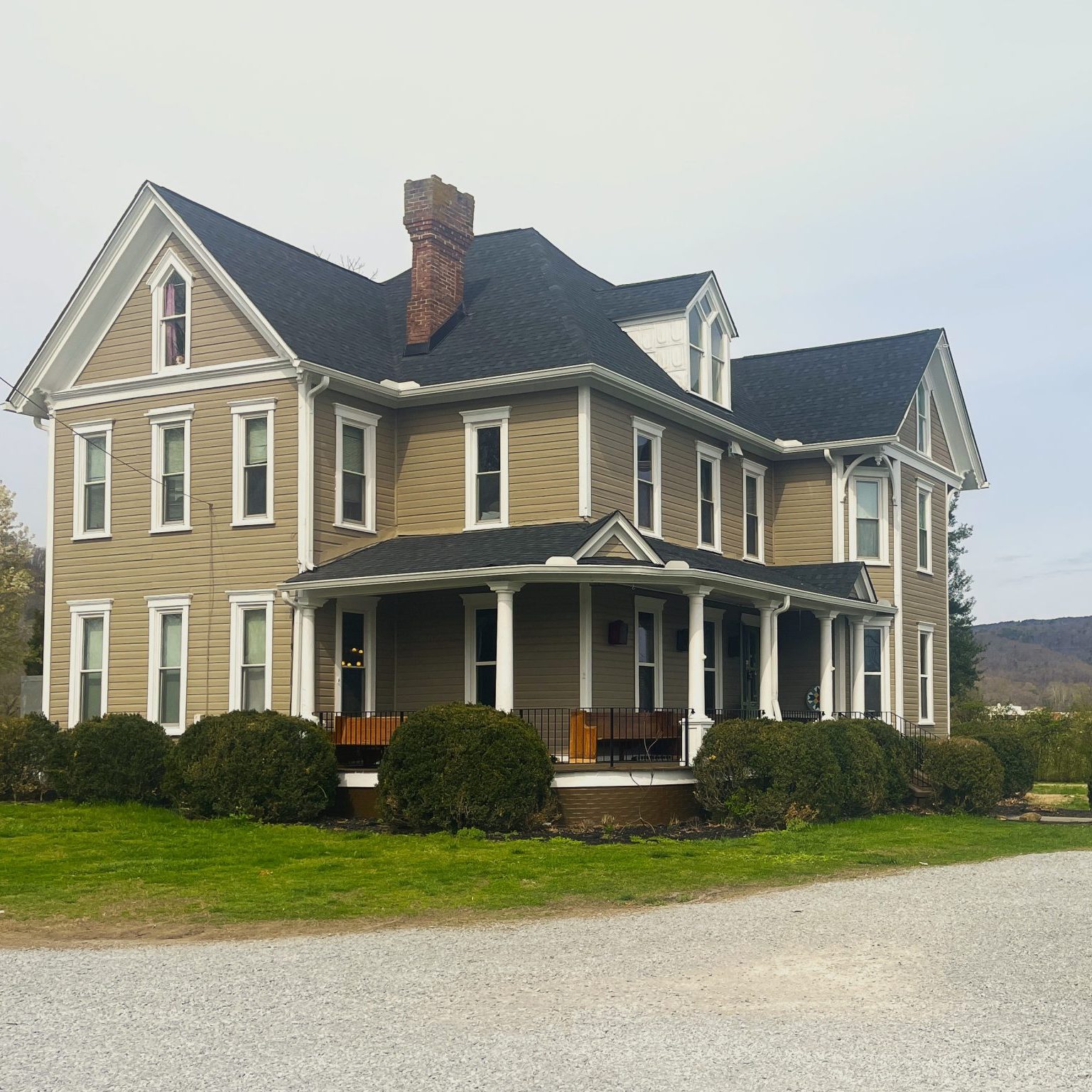
The Broyles-Darwin House, located at 108 Idaho Avenue in Dayton, Tennessee, is a historic residence built around 1860 for Stephen Sanders Decatur Broyles, a Confederate Army veteran and prominent local farmer. In 1908, the home was acquired by James Robert Darwin, and it has since been recognized for its architectural and historical significance, earning a place on the National Register of Historic Places in 1997. During the 1925 Scopes Trial, the house served as lodging for journalists covering the event, highlighting its connection to this pivotal moment in American legal and educational history.

Broyles-Darwin House

St. Genevieve’s Academy in Dayton, Tennessee, was established in 1891 by the Sisters of Charity of Nazareth to serve the children of immigrant workers employed by the Dayton Coal and Iron Company. Initially enrolling about 40 students, the school operated until 1896, when economic hardships led to its closure. The historic building at 449 Delaware Road, once home to the academy, is now a restaurant that preserves the structure’s rich heritage.

Saint Genevieve’s Academy

Return Jonathan Meigs Sr. (1740–1823) was a distinguished officer in the Continental Army during the American Revolutionary War, renowned for leading the successful “Meigs Raid” on Sag Harbor in 1777, which earned him a commemorative sword from Congress. Following his military service, he became a pioneer in the Northwest Territory, contributing to the founding of Marietta, Ohio, and later served as the U.S. Indian Agent to the Cherokee Nation in Tennessee from 1801 until his death. He is interred alongside his wife Grace and son Timothy in Garrison Cemetery near Dayton, Rhea County, Tennessee, close to the former Hiwassee Garrison site.

Return Jonathan Meigs Grave Site

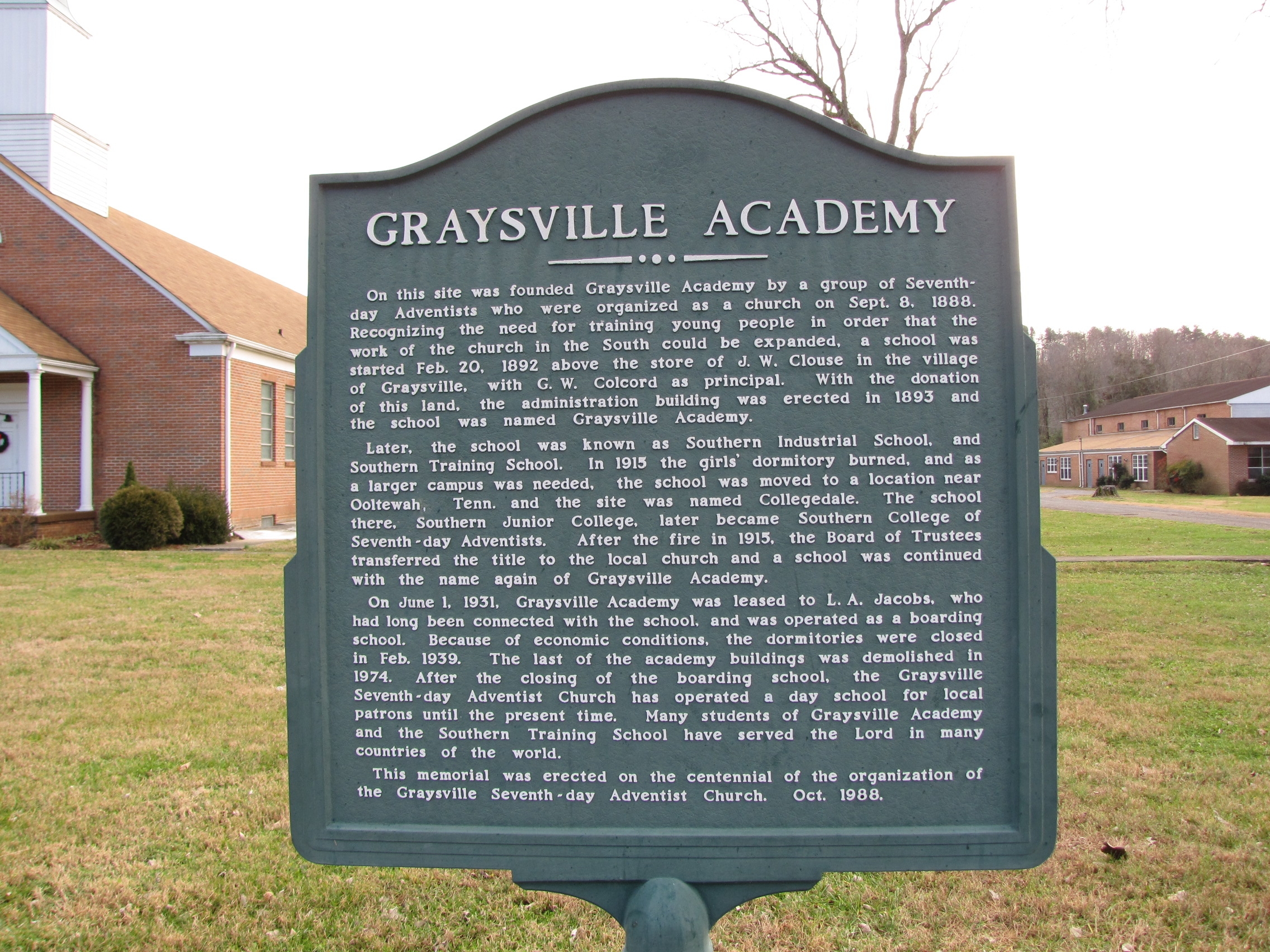
The Graysville Seventh-day Adventist Church, established in 1888, played a pivotal role in the early expansion of Adventism in the American South, earning the town the nickname “Battle Creek of the South” due to its significance in the denomination’s development. In 1892, church leader George W. Colcord founded Graysville Academy, the first Adventist school in the region, which later evolved into Southern Adventist University; however, the academy faced challenges, including temporary closure in 1895 when faculty members were jailed for violating Tennessee’s Sunday laws by working on their Sabbath. Although the boarding school closed in 1939, the Graysville church has continued to operate a day school for local students, maintaining its longstanding commitment to faith-based education.

Graysville Seventh-Day Adventist Church
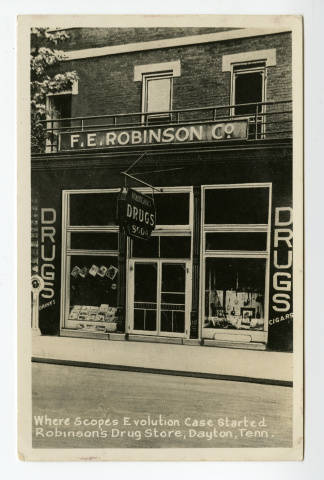
Located on Main Street in Dayton, the vacant lot to the right of EdFinancial is the site of the drug store where the first local plans for the Scopes Trial were made by F.E. Robinson, George Rappleyea, and others. Next to Robinson’s Drug Store was the three-story Aqua Hotel, where the following Scopes Trial participants roomed, ate, or conferred: Arthur Garfield Hays, Dudley Field Malone, Dr. John R. Neal, Judge John T. Raulston, William Jennings Bryan, and Clarence Darrow.

Robinson’s Drug Store and the Hotel Aqua
Located in Morgantown, Vine Grove United Methodist Church was founded in 1833 and was the oldest church in the city of Dayton. During the Civil War, the church was used to house women, sometimes referred to as the “Rhea County Spartans,” on claims they were Confederate spies. Although the church closed recently, a new congregation calls the building home today.

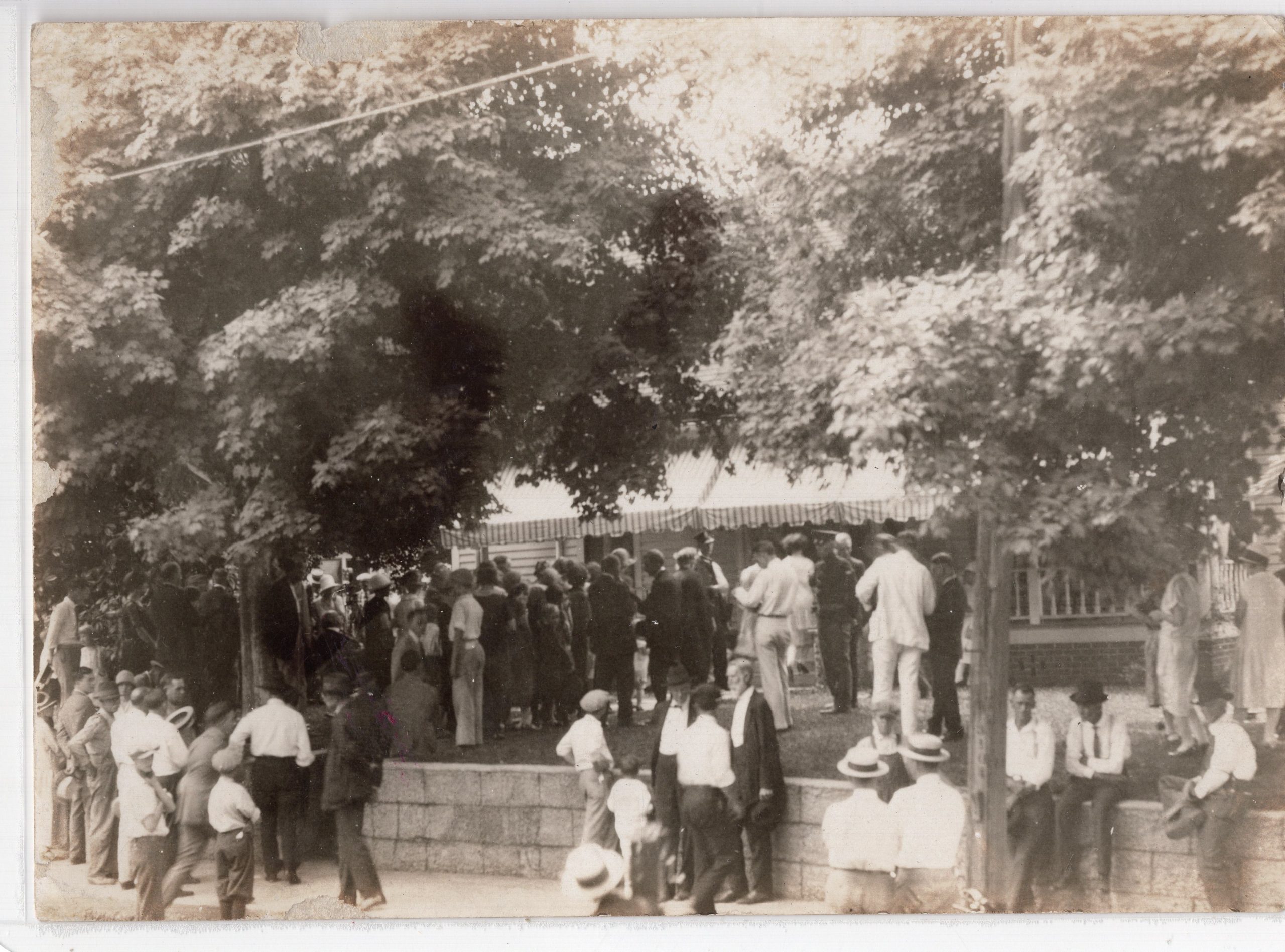
Death Site of William Jennings Bryan

ALBERT EINSTEIN

“We still do not know one thousandth of one percent of what nature has revealed to us.”